


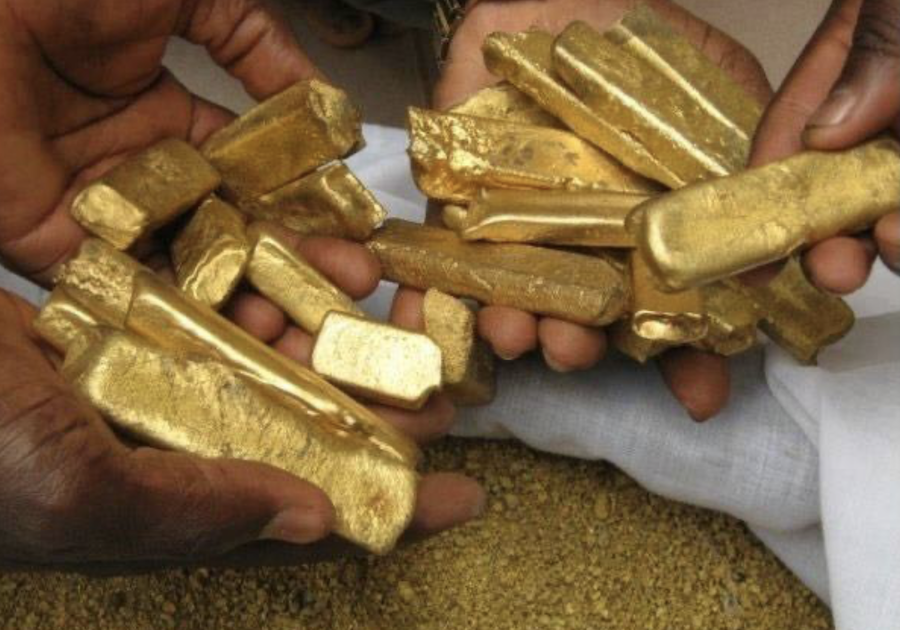
Gold mining in Liberia represents far more than an economic activity—it is a national treasure deeply intertwined with the country’s cultural heritage, social fabric, and economic evolution. From ancient artisanal practices among indigenous communities to modern industrial operations, the history of gold mining in Liberia spans centuries and reflects resilience amid challenges like civil conflict, colonial influences, and post-war reconstruction. Today, as Liberia gold mining attracts global interest, understanding its rich past reveals why this sector remains a cornerstone of national identity and potential prosperity.
Indigenous Roots and Pre-Colonial Gold Traditions
Long before European contact, indigenous peoples in what is now Liberia engaged in small-scale gold extraction. Archaeological and oral histories suggest that communities in regions like Kpelle country mined alluvial gold deposits for centuries, using traditional panning and sluicing techniques along riverbeds. Gold served ceremonial, ornamental, and trade purposes, exchanged in regional networks across West Africa.
These early practices laid the foundation for Liberia’s enduring artisanal mining culture. Unlike ironworking or agriculture, gold extraction was often seasonal and community-based, passed down through generations. Evidence points to sophisticated knowledge of local geology, with miners targeting placer deposits in rivers and streams. This pre-colonial era established gold as a symbol of wealth and status, embedding it in Liberian cultural heritage long before formal records began.
The 19th Century: Arrival of Settlers and Early Commercial Interest
The modern chapter of gold mining history in Liberia began in the early 19th century with the arrival of freed slaves from the United States, sponsored by the American Colonization Society. Liberia declared independence in 1847, but mineral exploration remained limited initially. Indigenous miners continued their work, while settlers focused on agriculture and trade.
By the late 1800s and turn of the 20th century, artisanal and small-scale mining (ASM) expanded, practiced by both indigenous groups and former slaves. Reports indicate that gold panning became a vital livelihood in rural areas, particularly in western and central counties. This period marked the transition from purely traditional methods to slightly more organized efforts, though still informal and unregulated.
The 1940s Gold Rush: A Defining Moment in Liberian History
The most significant milestone came during World War II. In 1943, a major gold rush erupted in Grand Cape Mount County, drawing hundreds of prospectors and marking the first large-scale commercial interest in Liberia gold deposits. Production from alluvial placers surged, with annual outputs exceeding 30,000 ounces in the 1940s—impressive figures for the era.
This boom highlighted Liberia’s geological richness, particularly in greenstone belts similar to those in neighboring gold-producing countries. The rush brought temporary economic vitality but also challenges, including unregulated exploitation and limited infrastructure. Post-war, production declined as attention shifted to iron ore, which dominated Liberia’s mining exports for decades. Yet the 1940s episode cemented gold’s place in the national consciousness as a viable resource.
Post-Independence Era and the Dominance of Artisanal Mining
After independence and through the mid-20th century, gold mining in Liberia remained predominantly artisanal. Small-scale miners, often working family claims or communal lands, produced modest but consistent volumes. Iron ore and rubber overshadowed minerals in official exports, but gold sustained rural economies, especially in counties like Sinoe, River Cess, and Grand Gedeh.
The 1970s saw identification of productive districts such as Gondoja-Ndablama and Kongba, where community operations thrived. Artisanal miners used basic tools to extract placer gold, contributing to local livelihoods while supplying small amounts to regional markets. This era reinforced gold’s role as a “people’s resource,” accessible without heavy capital.
Civil Wars and the Shadow of Conflict Mining (1989–2003)
The First and Second Liberian Civil Wars (1989–1997 and 1999–2003) profoundly impacted the history of gold mining in Liberia. Rebel groups and factions exploited alluvial gold to finance arms and operations, turning some mining areas into conflict zones. Artisanal sites became sources of illicit revenue, with diamonds receiving more international scrutiny under “blood diamonds” campaigns, but gold played a similar role.
Tens of thousands of Liberians turned to mining for survival amid economic collapse. Production continued informally, often under dangerous conditions, but the wars devastated infrastructure and deterred formal investment. The 2003 peace accord marked a turning point, allowing gradual revival.
Post-War Revival and the Rise of Industrial Gold Mining
The end of conflict ushered in reconstruction and renewed interest in Liberia gold mining. The government, supported by international partners, reformed mining laws to attract foreign direct investment. The New Liberty Gold Mine in Grand Cape Mount County emerged as a flagship project. Construction began around 2014 under operators like Aureus Mining (later acquired by Avesoro Resources), with first gold pours in 2015.
New Liberty symbolized the shift from purely artisanal to industrial-scale operations, introducing modern processing and higher outputs. Other projects, like the Dugbe Gold Project, advanced through exploration and feasibility studies, revealing multi-million-ounce potential.
The 2010s and 2020s saw exponential growth in formal production. Gold exports surged, contributing significantly to foreign exchange and government revenue. Artisanal mining persisted, employing over 100,000 people, but efforts to formalize ASM increased through licensing and cooperatives.
Modern Era: Challenges, Sustainability, and Future Promise
Today, Liberia’s gold mining history continues to evolve. The sector faces ongoing challenges: environmental concerns from past unregulated practices, community displacement in some projects, and the need for better ASM regulation. Incidents like the 2016 New Liberty cyanide spill highlighted risks, prompting stronger oversight and ESG commitments.
Yet progress is evident. The government pursues sustainable policies, community development funds, and transparency via EITI membership. Rising global gold prices above $2,500 per ounce fuel optimism, with projections of substantial revenue growth.
Liberia’s gold remains a national treasure—rooted in indigenous ingenuity, tested by adversity, and now poised for responsible development. As industrial and artisanal operations coexist, the sector promises jobs, infrastructure, and economic diversification.
Conclusion
The history of gold mining in Liberia is a story of endurance and untapped potential. From pre-colonial traditions to 1940s rushes, wartime exploitation, and post-conflict revival, gold has endured as a symbol of hope and heritage. As Liberia builds a more regulated, sustainable future for its gold mining industry, this national treasure stands ready to benefit generations ahead—bridging past resilience with modern opportunity.

Tags and Keywords:
Primary Keywords: history of gold mining in Liberia, gold mining in Liberia, Liberia gold mining history, artisanal gold mining Liberia, Liberia gold rush 1943, New Liberty Gold Mine history, Liberia gold deposits.
Secondary Keywords: pre-colonial gold mining Liberia, post-war gold mining revival Liberia, sustainable gold mining Liberia, Liberia mining heritage, African gold history Liberia, Grand Cape Mount gold mining, Liberia gold production timeline.
Tags:
#GoldMiningHistoryLiberia #LiberiaGoldMining #ArtisanalMiningLiberia #LiberiaGoldRush #NewLibertyGoldMine #LiberiaMiningHistory #SustainableGoldLiberia #WestAfricaGold #LiberiaNationalTreasure #GoldInLiberia