
How to Buy gold in Uganda — a timeless investment choice that continues to shine even in 2025. In a world of fluctuating currencies, inflation, and unpredictable markets, gold remains one of the safest and most reliable stores of value.

Investors around the globe are turning back to gold as a hedge against economic uncertainty, driving demand and prices steadily upward.

Globally, the gold market in 2025 shows a renewed surge in both physical and digital gold trading. Central banks are increasing their reserves, while retail investors are diversifying portfolios with gold coins, bars, and ETFs.

In Uganda, the gold trade continues to expand, thanks to its rich mineral resources and a growing network of legitimate dealers in cities like Kampala and Entebbe.

However, while opportunities are abundant, so are the risks — from fake dealers to illegal mining operations.

This guide will show you how to buy gold in Uganda safely, legally, and profitably. You’ll learn where to find trusted gold dealers, how to check authenticity, what documents are required for legal purchase, and the best ways to store or resell your gold for maximum returns.

By the end, you’ll know exactly where and how to buy gold in Uganda — and how to avoid costly mistakes that could undermine your investment.

Whether you’re a first-time buyer or an experienced investor, this 2025 guide gives you the knowledge and confidence to invest in gold the smart way.

Why Invest in Gold in Uganda

Gold has stood as a universal symbol of wealth, security, and enduring value for thousands of years.

Unlike paper currencies or digital assets that can fluctuate drastically in value, gold maintains its worth through financial crises, inflation, and political instability.

Across the globe, smart investors continue to turn to gold as a safe-haven asset and a long-term hedge against economic uncertainty.

In 2025, as inflation and currency volatility continue to challenge traditional markets, gold remains one of the most dependable investment options available — and Uganda is emerging as one of Africa’s most promising destinations for gold investment.

1. Uganda’s Rapidly Growing Gold Sector

Over the past decade, Uganda has transformed into a major player in the East African gold trade.

According to recent reports from the Uganda Bureau of Statistics (UBOS) and the Bank of Uganda, gold exports have experienced significant growth, positioning Uganda among the region’s top producers.

The discovery of new gold deposits in Karamoja, Mubende, Buhweju, and Busia has strengthened production capacity and increased investor confidence.

The government’s commitment to formalizing mining operations, enhancing refinery standards, and enforcing export regulations has made the Ugandan gold sector more transparent, credible, and appealing to both local and foreign investors.

2. Stability and Inflation Protection

One of the primary reasons investors choose gold is its ability to preserve value during inflationary periods.

While paper currency often depreciates as inflation rises, gold prices typically move in the opposite direction.

By investing in gold in Uganda, you can protect your purchasing power and secure your wealth against currency depreciation. This makes gold a vital component for anyone seeking financial stability and long-term wealth preservation.

3. Diversification and Asset Security

Gold also serves as a powerful diversification tool. When other investments like real estate, stocks, or bonds underperform, gold often holds or increases its value, helping to balance portfolio risk.

Moreover, owning physical gold in Uganda provides tangible asset security — you control a valuable resource that is not tied to any government, institution, or financial market. This independence gives investors peace of mind and protection against economic shocks.

4. Local and Global Investment Opportunities

Uganda’s gold market is open to both local investors and international buyers. You can choose to purchase physical gold from licensed dealers in Kampala, invest in local refineries and mining operations, or participate in gold export ventures.

Each option offers different levels of risk and reward, but collectively, they represent one of the fastest-growing investment frontiers in East Africa. With the right knowledge and trusted partners, investing in Ugandan gold can yield impressive long-term returns.

Before making any investment decisions, it’s essential to monitor market performance and regional pricing trends. [See our guide to gold price trends in East Africa] for real-time updates and expert insights that will help you make smarter, data-driven investment choices.

Understanding the Gold Market in Uganda

To make informed investment decisions, it’s crucial to understand how Uganda’s gold market operates — from mining and refining to trade and export.

Over the past decade, Uganda has developed one of the most dynamic gold industries in East Africa, supported by an expanding network of refineries, regulatory frameworks, and export systems that connect the country to global markets.

1. Overview of Uganda’s Gold Mining and Refining Industry

Uganda’s gold sector has evolved from small-scale artisanal mining into a structured industry with both local and international participation.

The government’s push to formalize operations has attracted significant investment in refining and export infrastructure.

Refineries such as African Gold Refinery (AGR) and Bullion Refinery Ltd have played a key role in increasing the value of Ugandan gold before export, ensuring higher returns and improved quality control standards.

2. Major Gold Mining Regions in Uganda

Gold deposits are found in several parts of the country, with Karamoja, Mubende, Buhweju, Busia, and Kassanda being among the most productive.

These regions host both artisanal miners and licensed companies that contribute significantly to Uganda’s gold output.

The discovery of new reserves in northern and western Uganda has further boosted the country’s production capacity, making it a critical player in East Africa’s mineral economy.

3. Government Regulation and URA Guidelines

The Directorate of Geological Survey and Mines (DGSM) oversees mining licenses, while the Uganda Revenue Authority (URA) regulates taxation and export documentation.

All gold dealers and exporters must be registered and licensed under Uganda’s Mining Act. Compliance with URA export procedures — including valuation, tax clearance, and origin verification — ensures that gold trading is legal and traceable. Investors should always verify dealer licenses through these authorities to avoid illegal transactions.

4. Common Types of Gold Available in Uganda

Investors can access a variety of gold products in Uganda, including gold bars, coinsjewelryraw or unrefined gold, and investment-grade bullion.

Each type offers different benefits depending on your investment goals — from collectible jewelry to high-purity bullion suitable for export or storage.

5. Risks and Challenges in the Gold Market

Despite its potential, Uganda’s gold trade faces challenges such as illegal miningsmuggling, and counterfeit gold sales. Unlicensed dealers and fraudulent operations remain a concern, especially for first-time buyers.

To minimize risk, investors should work only with verified, reputable gold dealers and demand full documentation for every transaction.

Understanding these key aspects of Uganda’s gold market will help you navigate the industry safely and profitably, setting the foundation for successful investment.

How to Buy Gold in Uganda

Legal Requirements for Buying Gold in Uganda

Before buying or investing in gold in Uganda, it’s essential to understand the legal and regulatory framework that governs the trade.

The Ugandan government has put in place strict measures to ensure that gold transactions are transparent, traceable, and compliant with both national and international standards.

1. Licensing and Registration Requirements

All gold dealers, exporters, and refiners in Uganda must be licensed by the Directorate of Geological Survey and Mines (DGSM) under the Ministry of Energy and Mineral Development.

This licensing ensures that gold is sourced responsibly and that trade activities meet government standards.

In addition, traders are required to register with the Uganda Revenue Authority (URA) for taxation and export compliance purposes. Unlicensed trading is illegal and may result in severe penalties or confiscation of assets.

2. Verifying Licensed Gold Dealers

Before purchasing gold, buyers should confirm that a seller is legally authorized to operate.

This can be done by requesting the dealer’s DGSM license number and verifying it through the DGSM registry or the URA online verification portal.

Legitimate dealers will always provide their trading license, Tax Identification Number (TIN), and export permits upon request.

3. Legal Documents for Local and Foreign Investors

Local investors must hold a valid trading license and tax registration. Foreign investors are required to obtain a mineral trading permit, register a company in Uganda, and comply with investment guidelines from the Uganda Investment Authority (UIA).

Both local and international buyers must ensure that all purchase and export documentation — including valuation certificates, receipts, and tax clearance forms — are properly issued and retained.

4. Tax Obligations and Export Regulations

All gold exports are subject to URA’s taxation policies and must be declared at designated export points.

Exporters are required to pay applicable royalties, withholding taxes, and export duties.

Proper documentation and compliance with URA procedures not only ensure legality but also protect investors from future disputes or confiscation during shipment.

Understanding these legal requirements is vital to ensure that your gold investment in Uganda is safe, transparent, and fully compliant with national regulations.

Step-by-Step Guide: How to Buy Gold in Uganda

Buying gold in Uganda can be highly profitable if done correctly, but it requires careful research, verification, and compliance with local laws.

This step-by-step guide will walk you through the entire process, from market research to secure storage or export.

Step 1: Research Current Gold Prices

Before purchasing, it’s essential to know the current market price of gold in Uganda. Gold prices fluctuate daily based on international trends, demand, and local market factors.

Reliable sources include:

  • Bank of Uganda: Provides official reports on gold exports and market trends.
  • Uganda Revenue Authority (URA): Lists gold valuation and taxation rates for domestic trading and export.
  • International indexes: Websites like KitcoBullionVault, and LBMA offer real-time gold prices that help you benchmark local rates.

Comparing multiple sources ensures you don’t overpay and helps identify fair market value for your investment.

Step 2: Choose the Right Type of Gold Investment

Ugandan investors have several options:

  • Physical gold: Bars, coins, and jewelry — ideal for those who prefer tangible assets.
  • ETFs or mutual funds: Track gold prices without owning physical gold; suitable for long-term investors.
  • Gold mining shares: Investing in local mining companies like Simba Gold Refinery or others can provide indirect exposure.

Your choice depends on your investment goals, risk tolerance, and preference for liquidity versus tangible ownership.

Step 3: Find Trusted Gold Dealers

Working with reputable dealers is critical to avoid scams. Top licensed refineries and dealers in Uganda include:

  • Bullion Refinery Uganda – Renowned for high-purity gold bars and secure transactions, Bullion Refinery Uganda is a preferred choice for investors seeking reliable bullion. Their transparent processes make buying and selling gold straightforward.
  • Simba Gold Refinery – Specializing in investment-grade bullion, Simba Gold Refinery also offers export services for international buyers. With strict quality control, they provide certified gold bars that meet both local and global standards.
  • Gold Buyers Africa – Operating across Uganda and East Africa, Gold Buyers Africa is a trusted platform for selling and buying gold. They provide fair pricing, fast payment, and verified transaction security, making them ideal for both new and experienced investors.
  • Local Certified Jewelers in Kampala – Many licensed jewelers in Kampala offer gold bars, coins, and jewelry. Ensure they are DGSM-licensed (Directorate of Geological Survey and Mines) to guarantee the authenticity of the gold and compliance with Ugandan mining laws.

Always verify licenses with DGSM and URA before making any transactions.

Step 4: Verify Authenticity and Purity

Gold scams are common, so testing is mandatory:

  • Hallmark verification: Check for official purity stamps (24K, 22K).
  • Assay certificates: Provided by licensed refineries to confirm metal content.
  • Testing methods: Acid tests, electronic gold testers, or XRF analysis can be used for high-value purchases.

Never purchase gold without proper certification, as counterfeit or low-purity gold can result in significant financial loss.

Step 5: Negotiate and Make Payment

Once you’ve verified authenticity, negotiate the price based on current market rates. Secure payment methods include:

  • Bank transfer: Offers traceability and security.
  • Escrow services: Recommended for high-value transactions to protect both buyer and seller.
  • Cash payment: Only for small transactions and after verification.

Keep a copy of all receipts, contracts, and certificates for record-keeping and legal compliance.

Step 6: Secure Storage and Insurance

After purchase, protecting your gold is crucial:

  • Safety deposit boxes: Available at major banks in Kampala.
  • Private secure vaults: Offered by licensed refineries or security companies.
  • Insurance: Insure your gold against theft, loss, or damage for added protection.

Step 7: Exporting Gold from Uganda

For foreign buyers or Ugandan investors looking to export:

  1. Obtain a mineral export permit from DGSM.
  2. Pay all applicable export duties and taxes via URA.
  3. Ensure valuation certificates and tax clearance documents accompany the shipment.
  4. Use a licensed logistics company for secure transportation.
  5. Comply with the destination country’s import regulations to avoid confiscation.

Following these steps ensures that your gold investment in Uganda is safe, legal, and profitable, whether you are buying for local investment or export purposes.

Where to Buy Gold in Uganda: Trusted Dealers and Markets

Here’s a well‑structured guide to buying gold in Uganda, including trusted dealers, a comparison table, and vital tips to spot scams.

Trusted Dealers & Refineries

Here are some of the reputable gold dealers and refineries operating in Uganda:

  • Gold Buyers Africa — Licensed dealer in Kampala dealing with both local and international buyers, including export documentation. They offer fair pricing, verified transactions, and support for legal compliance.
  • African Gold Refinery (AGR) — One of East Africa’s large refineries, based near Kampala/Entebbe, offering refining, assaying, and export services.
  • Bullion Refinery Ltd — Provides high‑purity gold bar production and export support from Uganda, trusted for secure and transparent transactions.
  • Uganda Gold Corporation — Mid‑scale dealer specializing in bars, nuggets, and dust; fully registered with national authorities for safe and legal trading.

Comparison Table: Top Gold Dealers & Refineries in Uganda (2025)

Dealer NameLocation (City/Area)Services OfferedContact / NotesLicence Status
Gold Buyers AfricaCentral KampalaTrading, valuation, export documentationWebsite: goldbuyersafrica.comLicensed dealer
African Gold Refinery (AGR)Kampala/EntebbeRefining, assaying, export-ready barsBased near Kampala/EntebbeLicensed and recognized in Uganda
Bullion Refinery LtdKampalaHigh-purity bars, export facilitationOperates from KampalaLicensed and compliant with gov’t
Uganda Gold CorporationKampalaBars, nuggets, mid-volume tradeMid-scale regional dealerVerified in dealer listings

Note: Always verify a dealer’s licence by requesting their DGSM (Directorate of Geological Survey and Mines) number or export permit before proceeding.

Tips to Identify Scams and Fake Dealers

✅ Request full assay certificates from refineries or licensed labs before purchase.

✅ Buy only from dealers registered with DGSM and with a physical office in Kampala or the surrounding region.

🚩 Be cautious of offers well below market price or dealers refusing third-party purity testing. As one Reddit user warned:

“If it looks too good to be true, it probably is… They refuse to meet you at a refinery where you can fully melt all the gold and confirm the weight and purity.”

🚩 Avoid cash-only large transactions when the dealer ignores documentation, licence checks, or independent testing.

✅ Always compare the quoted price with international spot rates and local market data.

✅ Choose traceable payment methods (bank transfer, escrow) and avoid “pay up front, gold later” schemes.

🚩 Official reports indicate that some portions of Uganda’s gold trade are linked to smuggling or unlicensed sources, so diligence is critical.

How to Buy Gold in Uganda

How to Avoid Gold Scams in Uganda

Investing in gold in Uganda can be highly rewarding — but the reality is that the industry also carries significant risks of fraud.

Here’s how to stay safe.

Red flags & common fraud schemes

  • Offers that are much too good to be true. For example, dealers offering kilo‑lots of gold at dramatically below global market rates are a major warning sign.
  • Dealers who refuse independent testing or decline to meet you at a licensed refinery. As one Reddit user put it:“If they refuse to meet you at a refinery where you can fully melt all the gold and confirm the weight and purity they are not worth your time.”
  • Use of fake licences, forged documentation or rented offices masquerading as legitimate dealers. Authorities recently cracked down on “makeshift refineries” and fake companies in Kampala suburbs.
  • Online-only deals or “CIF export” offers where you pay up front and the gold never arrives. A recent fraud case in Uganda involved ~US$70,000 lost by a Nigerian investor.

Safe transaction tips

  • Always deal with gold at **licensed refineries or dealers registered with the Uganda Revenue Authority (URA) or Directorate of Geological Survey and Mines (DGSM). Check their licence status directly.
  • Third‑party testing: Have the gold independently assayed (purity, weight, hallmark) before making large payments.
  • Use secure payment methods — avoid paying large sums in cash without documentation. Escrow or bank transfer give a trace.
  • Meet in person at the dealer’s official office or refinery — avoid remote-only deals.
  • Keep full documentation: receipts, assay certificates, dealer licence number, export or tax clearance forms.
  • Be cautious of foreign buyers: invest only when you verify local regulations, licences and export compliance before shipping.

Real‑life examples of scams

  • The Ugandan police reported that in just seven months they recovered Shs 900 million (≈ US$240,000) from 56 suspects involved in gold‑fraud schemes. Many ran operations from Airbnb apartments or rented offices pretending to be genuine dealers.
  • In another case, fake gold bars and imitation nuggets (~150 kg) were seized in Kampala after foreign investors were defrauded.

Encouragement to verify licences
Before you commit to any transaction, insist on seeing the dealer’s licence issued by DGSM and registration with URA. A valid licence alone is not enough — as authorities warn, even licensed companies have been used by fraudsters.

By staying vigilant, verifying documentation, and dealing only with trusted, licensed dealers, you can significantly reduce risk and protect your investment when buying gold in Uganda.

Gold Investment Options Beyond Physical Gold

While physical gold (bars, coins, jewelry) remains the most tangible form of investment in Uganda, there are several modern alternatives that can help diversify your portfolio and increase liquidity.

1. Gold ETFs and Mining Company Shares

Gold Exchange-Traded Funds (ETFs) allow investors to gain exposure to gold prices without holding the physical metal. Similarly, purchasing shares in Ugandan or East African gold mining companies provides indirect exposure.

Pros:

  • Easier to buy and sell compared to physical gold.
  • Lower storage and insurance costs.
  • Can track gold market trends closely.

Cons:

  • Subject to market volatility.
  • Returns depend on company performance for mining shares.
  • Limited availability in Uganda; most ETFs are listed internationally, requiring access via brokerage accounts.

2. Digital Gold and Online Platforms

Digital gold platforms allow investors to buy small fractions of gold, stored securely in certified vaults. Some Ugandan platforms or international options offer fractional ownership with instant buy/sell options.

Pros:

  • Convenient and low-cost entry for small investors.
  • Eliminates the need for physical storage.

Cons:

  • Risk of platform fraud or insolvency — choose only licensed, regulated providers.
  • No direct physical access to the gold unless withdrawal options are provided.

3. Diversifying Gold Holdings Safely

A smart strategy combines physical gold, ETFs or mining shares, and digital gold in proportion to your risk tolerance.

For instance, local investors might hold 60% physical gold30% ETFs/shares, and 10% digital gold to balance security, liquidity, and growth potential.

By diversifying across multiple forms of gold, you reduce risk, increase flexibility, and protect your wealth against both market and geopolitical uncertainties.

Gold Prices and Profitability Forecast in Uganda

Latest Price Trends (Local & Global)

In Uganda, the price for 24­K gold currently hovers around UGX 486,000 per gram (~US $129).

 For example:

PurityPrice per Gram (UGX)Approx (USD)
24K~ 486,000~$129
22K~ 354,000~$100

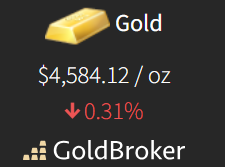
Globally, major financial institutions are projecting strong gold prices. For instance, HSBC recently forecast averages around US $3,015/oz in 2025. Meanwhile, UBS raised its target to about US $4,0120/oz by end‑2025.

1 oz 24k Gold Bar Price

Key Factors Influencing Gold Prices

  • USD/UGX exchange rate: Uganda’s gold price in shillings rises when the Ugandan Shilling weakens against the US Dollar — since gold is globally priced in USD.
  • Global inflation & economic uncertainty: Gold is seen as a safe‑haven asset when inflation rises or markets are volatile.
  • Global demand & central bank buying: Large purchases by central banks and sustained demand in Asia push gold up.
  • Local supply & mining activity: Uganda’s production, export regulation, and refining costs factor into local pricing and premiums.

Predictions for 2025–2030: Outlook & Expert Analysis

According to HSBC, gold could average over US $3,000/oz in 2025 given geopolitical tensions and inflation risks.

UBS takes a more bullish view — projecting around US $4,0120/oz by end‑2025, with upside potential into 2026.

In a long‑term scenario, some analysts even suggest gold could rise beyond US $5,000/oz by 2026 and potentially double by 2030 under extreme conditions.

For Uganda specifically, local market analysts suggest that for 24K gold the price could move to UGX 480,000–500,000 per gram (~US $129–130) in moderate scenarios in 2025.

YearGlobal Spot Approx*Uganda 24K / gram Estimate*
2025US $3,000‑4,0120/ozUGX ~ 400,000‑500,000/g (~US $129‑130)
2026‑2030US $4,500‑5,000+/oz (?)Local price likely to climb further

* Estimates only — actual results will depend on the factors listed above.

Why This Matters to You

If you’re investing in gold in Uganda, these outlooks suggest strong upside potential.

But remember: local currency fluctuations, dealer premiums, and export regulations will affect your actual return.

Monitoring both global indicators and the Uganda‑specific market factors will give you the best chance for profitability.

Tips for First‑Time Gold Buyers in Uganda

If you’re buying gold in Uganda for the first time, it’s wise to proceed with caution and a well‑informed mindset.

Here are key tips to help you avoid mistakes and build confidence as you enter the market.

  1. Start small and learn the market. Begin with a modest purchase—perhaps a 10 g or 50 g bar rather than a hefty kilo lot. This allows you to familiarise yourself with dealers, verify documentation and test how the transaction works locally. Over time, as you gain experience, you can scale up your investment.
  2. Always request complete documentation and receipts. Insist on seeing the dealer’s licence, assay or purity certificate for the gold, a detailed receipt specifying weight, karat, price paid and the dealer’s contact info. Legitimate deals often require these. According to industry commentary, failing to obtain full documentation is one of the biggest risk‑factors.
  3. Build relationships with reputable dealers. Work with licensed, established dealers rather than informal “under‑the‑table” sellers. Visit their offices, ask for references, and check their registration with the Uganda Revenue Authority (URA) and the Directorate of Geological Survey and Mines (DGSM). A good relationship gives you long‑term trust, better service and lower risk of surprise problems later.
  4. Follow Uganda’s mining & export news. Stay up to date with changes in regulation, export duties, refinery licensing and gold‑market trends in Uganda. For example, reforms in recent years have shaped how export documentation and dealer licensing work. Knowing the news helps you spot when risks increase.

By combining these tips—starting small, documenting everything, using reputable dealers, and staying informed—you set yourself up for a safer, smarter entry into Uganda’s gold market.

Frequently Asked Questions (FAQs)  

How do I buy gold legally in Uganda?

You must buy from licensed dealers registered with the Directorate of Geological Survey and Mines (DGSM) and the Uganda Revenue Authority (URA). Always request proper documentation, such as a license copy, receipt, and purity certificate.

What types of gold can I invest in Uganda?

Investors can choose:

  • Physical gold: bars, coins, jewelry.
  • Digital gold: fractional ownership on certified platforms.
  • Gold ETFs and mining company shares (limited availability locally).

How can I verify a gold dealer in Uganda?

Check the dealer’s license with DGSM, confirm URA registration, read reviews, and ensure they have a physical office or refinery. Avoid unlicensed, online-only dealers.

What are the current gold prices in Uganda?

24K gold currently trades around UGX 400,000 per gram (~US$129), with 22K slightly lower. Prices fluctuate based on global gold rates, the USD/UGX exchange, and local supply-demand factors.

Can foreigners buy gold in Uganda?

Yes, but foreign buyers must comply with URA regulations, obtain export permits if shipping abroad, and ensure purchases are made from licensed dealers.

How do I avoid gold scams in Uganda?

  • Deal only with licensed, reputable dealers.
  • Request assay certificates and receipts.
  • Avoid offers that are “too good to be true.”
  • Meet in-person at refineries or official offices.

What is the best way to store gold in Uganda?

Options include secure vaults in Kampalasafe deposit boxes, or verified refinery storage facilities. Digital gold platforms also offer secure online storage.

Is investing in gold profitable in Uganda?

Yes, when done correctly. Gold serves as a hedge against inflation, protects against currency volatility, and can provide strong returns if bought from legitimate sources at market rates.

How can I start investing in gold if I’m a beginner?

Start with small purchases, familiarize yourself with local prices, learn to verify authenticity, and gradually diversify into digital or ETF options.

Where are the major gold markets in Uganda?

Prominent mining and trading regions include Karamoja, Mubende, Buhweju, Busia, and Kampala for licensed dealers and refineries.

Conclusion & Call to Action 

Investing in gold in Uganda can be highly profitable and secure when approached with the right knowledge and precautions.

From understanding the local gold market, verifying licensed dealers, and staying updated on prices, to diversifying your holdings across physical gold, ETFs, or digital platforms, every step matters in protecting your investment and maximizing returns.

Remember the key takeaways:

  • Start small and learn the market before making large purchases.
  • Always verify dealer licenses and request proper documentation.
  • Be aware of scams and follow safe transaction practices.
  • Keep track of local and global gold price trends for strategic decisions.

By applying these principles, first-time and seasoned investors alike can confidently navigate Uganda’s gold sector.

Ready to buy gold safely? Contact Gold Buyers Africa for trusted sourcing, expert guidance, and secure transactions. Whether you’re looking for physical gold,

investment-grade bullion, or market insights, we provide the knowledge and resources to make your gold investment both profitable and worry-free.